



Skin Cancer on the Chest: Warning Signs, Types, and Treatments in Seal Beach, CA
Chronic sun exposure makes the chest particularly vulnerable to various forms of skin cancer. At Seal Beach Dermatology Group, Dr Fein provides comprehensive care focused on early detection, precise biopsies, and tailored medical treatment for lesions on the upper body. By performing meticulous skin evaluations to catch changing moles, non-healing sores, or unusual growths early, our team ensures you receive targeted therapies that prioritize both your long-term health and peace of mind. For more information, contact us or request an appointment online. We are conveniently located at 13928 Seal Beach Blvd., Seal Beach, CA 90740.
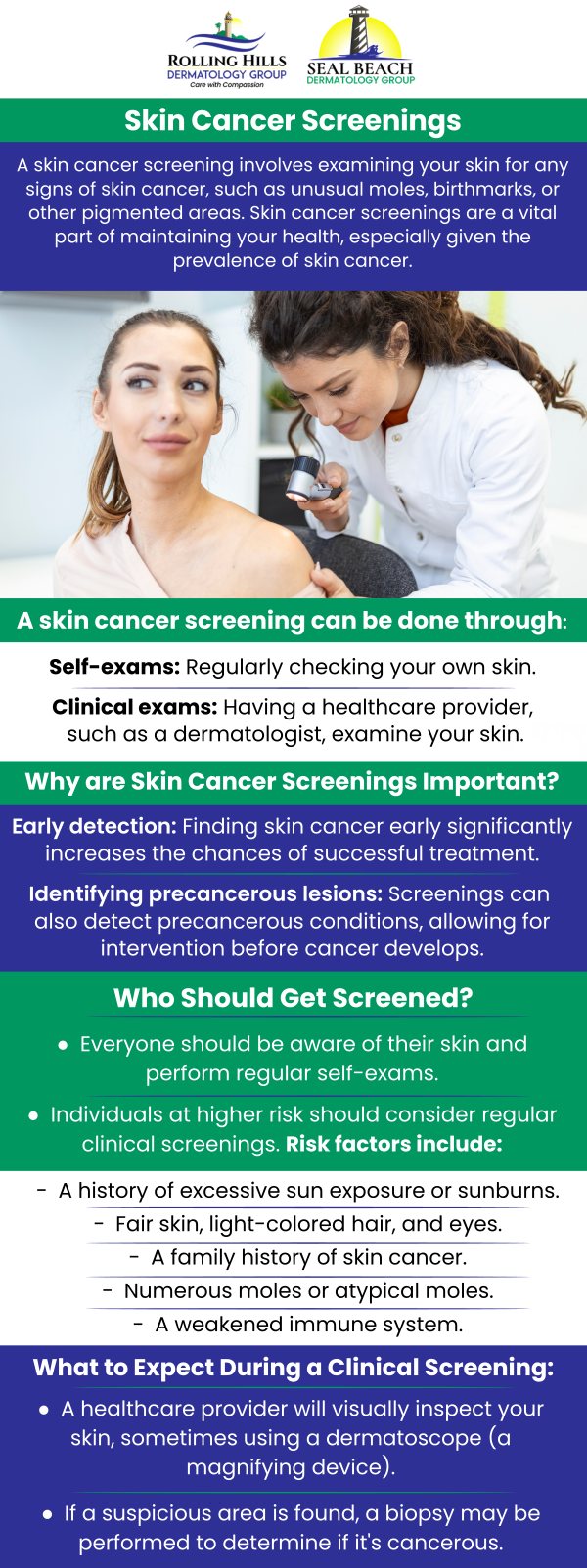
Table of Contents:
What are the early warning signs of skin cancer on the chest?
What types of skin cancer commonly develop on the chest?
Is a “pimple” on my chest that won’t heal a sign of skin cancer?
Will treating skin cancer on my chest leave a prominent scar?
What treatments are available for skin cancer on the chest at Seal Beach Dermatology?
The chest is an area that’s often exposed to the sun, making it important to know the early warning signs of skin cancer in this region. Many signs can be subtle and easy to miss, but being vigilant can make all the difference.
One common indicator is the appearance of a new mole or spot that looks different from any other marks on your skin. Take note of any existing moles or spots that begin to change in size, shape, or color. Skin cancer may also present as a lesion with irregular, undefined borders or multiple colors. If you notice a mole or spot that becomes asymmetrical, this can be a warning sign.
Other symptoms to watch for include a sore on your chest that doesn’t heal, a spot or growth that itches, bleeds, or feels tender, or a patch of skin that is rough, scaly, or crusted. Sometimes, the area may become raised or thickened compared to the surrounding skin. Even small changes, like a mole that suddenly becomes painful or starts to ooze, should be taken seriously.
The most common types include basal cell carcinoma, squamous cell carcinoma, and melanoma.
Basal cell carcinoma often appears as a pearly or waxy bump, or as a flat, flesh-colored or brown scar-like lesion. Because the chest is regularly exposed to the sun, it’s a common site for basal cell carcinoma to develop. While this type of cancer typically grows slowly and rarely spreads, early detection and treatment are essential to prevent local tissue damage and ensure the best outcome.
Squamous cell carcinoma can arise from precancerous changes known as actinic keratoses, often caused by sun exposure. Early intervention by our dermatology team is important, as squamous cell carcinoma can spread if left untreated, but most cases are very manageable when caught early.
Melanoma is a less common but more aggressive skin cancer that can also develop on the chest. It may appear as a new or changing mole with irregular borders, multiple colors, or asymmetry. Melanoma can occur anywhere on the body. At Seal Beach Dermatology, we emphasize the importance of early diagnosis, as melanoma can spread to other organs if not treated promptly.
A pimple-like bump on your chest that does not heal or go away over several weeks can be concerning. While many pimples or blemishes are harmless and often related to blocked pores, sweat, or minor skin irritation, a persistent lesion that stays the same, continues to grow, bleeds, crusts, itches, or changes in appearance over time may require medical evaluation.
Skin cancer—including basal cell carcinoma, squamous cell carcinoma, and, less commonly, melanoma—can sometimes first appear as a small, red, pink, or flesh-colored bump that resembles a pimple. Unlike typical pimples, these cancerous lesions usually do not heal, may feel firm, and can sometimes bleed with minor trauma. They might also develop a central indentation, scab, or ulcer that does not resolve.
It is important to pay attention to any skin lesion that persists for more than a few weeks, especially if it is not responding to usual acne treatments, is growing, or has other unusual features such as irregular borders, multiple colors, or changes in sensation. If you notice a bump or sore on your chest, or anywhere on your skin, that does not heal, we encourage you to schedule an appointment at Seal Beach Dermatology for a thorough examination.
The size and appearance of any scar depends on several factors, including the type and size of the skin cancer, as well as the treatment method chosen.
For many patients, surgical excision is a common and effective option. This procedure involves removing the cancerous area along with a margin of healthy skin to ensure complete removal. While this approach can leave a linear scar, especially on areas like the chest, our dermatologic surgeons at Seal Beach Dermatology are skilled in advanced closure techniques designed to minimize scarring and optimize cosmetic results.
We also offer Mohs micrographic surgery—a highly precise method that removes the cancer with minimal impact to surrounding healthy tissue. Because Mohs surgery is tissue-sparing, it can significantly reduce the size of the scar compared to traditional methods.
Your individual healing process is just as important as the treatment itself. Factors such as your skin type, age, and how your body heals all influence scar formation. At Seal Beach Dermatology, we provide detailed post-procedure care instructions and offer guidance on how to care for your skin to promote optimal healing and reduce scarring.
At Seal Beach Dermatology, Dr. Fein evaluates each skin cancer diagnosis individually before recommending treatment. The appropriate approach depends on factors such as the type of skin cancer, its size and depth, whether it has clearly defined borders, previous treatment history, and the patient’s overall health.
For many skin cancers on the chest, surgical removal may be recommended. A standard surgical excision removes the visible growth along with an appropriate margin of surrounding skin. Mohs micrographic surgery may be considered for certain higher-risk, recurrent, poorly defined, or otherwise complex skin cancers when precise removal and examination of the tissue margins are important.
Some superficial or early skin cancers may be treated without traditional surgery. Depending on the diagnosis, Dr. Fein may discuss options such as prescription topical therapy or other procedures designed to treat abnormal cells close to the skin’s surface. The choice of treatment is based on the specific type and characteristics of the lesion rather than its location alone.
When additional care is appropriate, patients may also be referred for treatments such as radiation therapy or evaluation by another specialist. Dr. Fein will explain why a particular approach is being recommended and what patients can expect during treatment and recovery.
Follow-up care is also an important part of skin cancer management. At Seal Beach Dermatology, Dr. Fein and our team monitor the treated area for signs of recurrence and perform routine skin examinations to identify new or changing lesions. Patients are also encouraged to report spots that bleed, fail to heal, change in appearance, or otherwise cause concern.
If you have been diagnosed with skin cancer on the chest or have noticed a suspicious skin lesion, Dr. Fein can provide a thorough evaluation and develop an individualized treatment plan based on your diagnosis and skin health needs. For more information, contact us or request an appointment online. We are conveniently located at 13928 Seal Beach Blvd., Seal Beach, CA 90740. We serve patients from Seal Beach Estate CA, Torrance CA, West Carson CA, Lomita CA, Palos Verdes Estates CA, Hermosa Beach CA, Manhattan Beach CA, Redondo Beach CA, Seal Beach CA, Rossmoor CA, Garden Grove CA, Stanton CA, Westminster CA, and surrounding areas.
Check Out Our 5 Star Reviews




 Send Text
 How May I Help You?